How to Care for a Hardwood Cutting Board
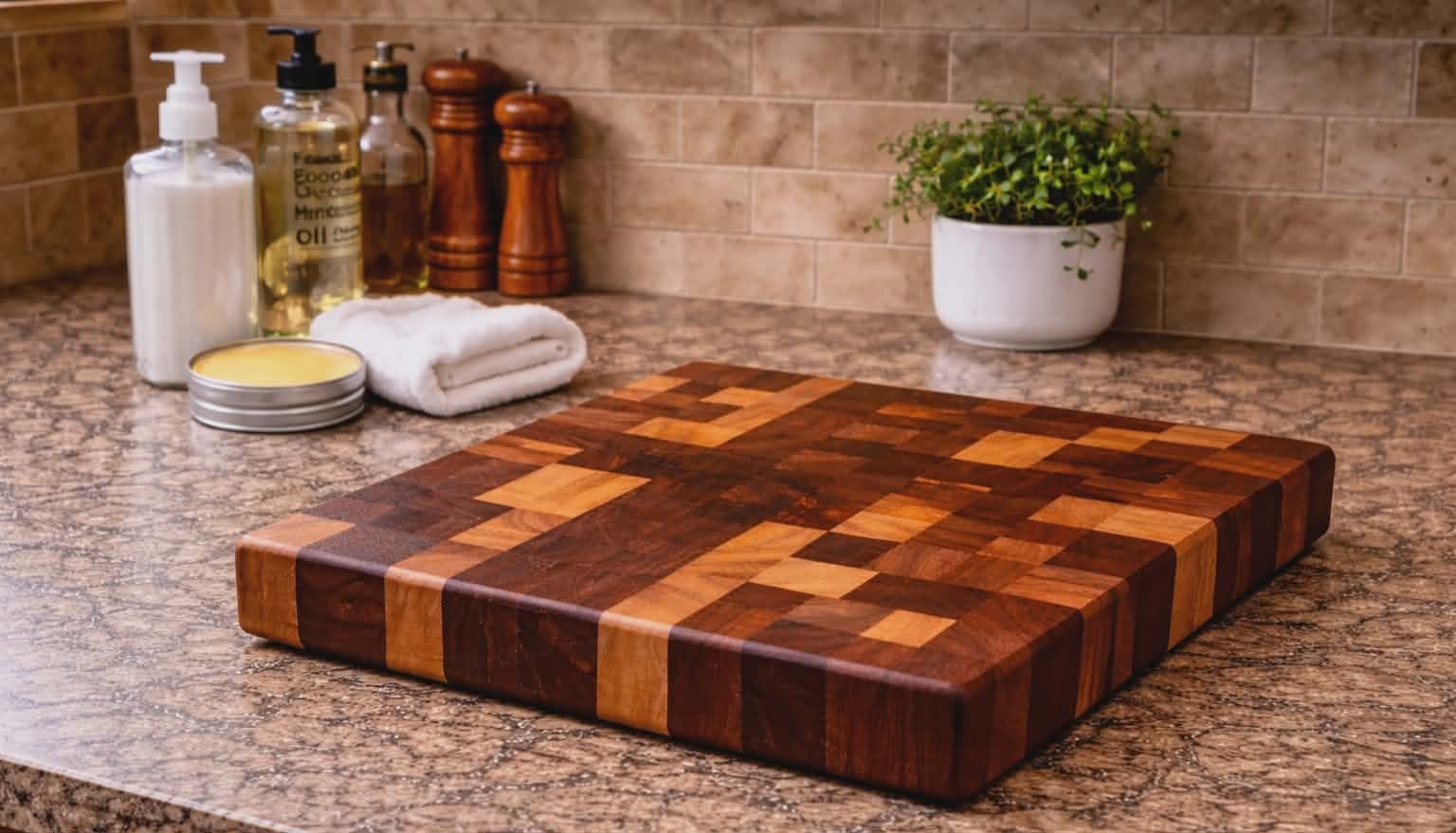
This guide explains how to care for a wooden cutting board, including how to clean, dry, oil, and maintain it. Proper care prevents cracking, warping, and drying. These same techniques also can be used for butcher block countertops. Following these steps on a consistent basis will ensure a healthy and useable cutting surface for generations to come.
Step by step instructions below.
Question:
Can these methods be used for new and or existing butcher block counter tops?
Answer:
Yes - the same care techniques apply to butcher block countertops. However, larger surfaces may require more frequent maintenance due to uncreased use and exposure.
How to Clean a Wooden Cutting Board
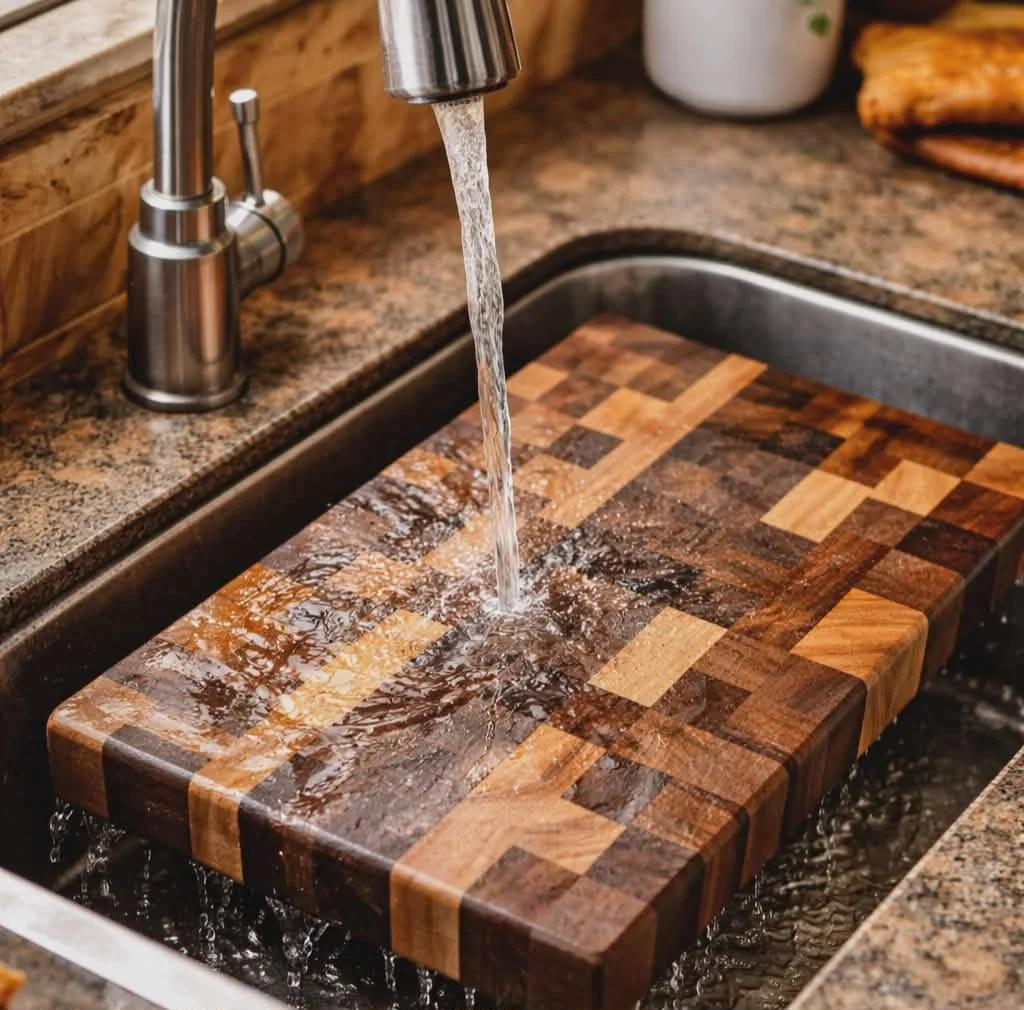
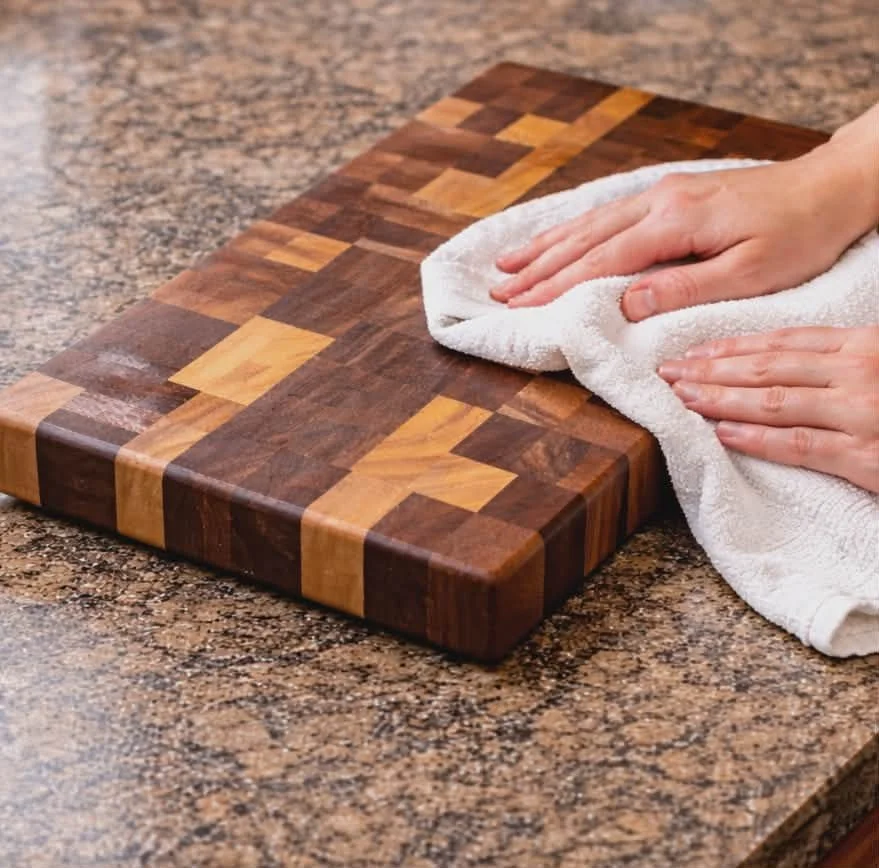
Rinse off large food particles with water before washing.
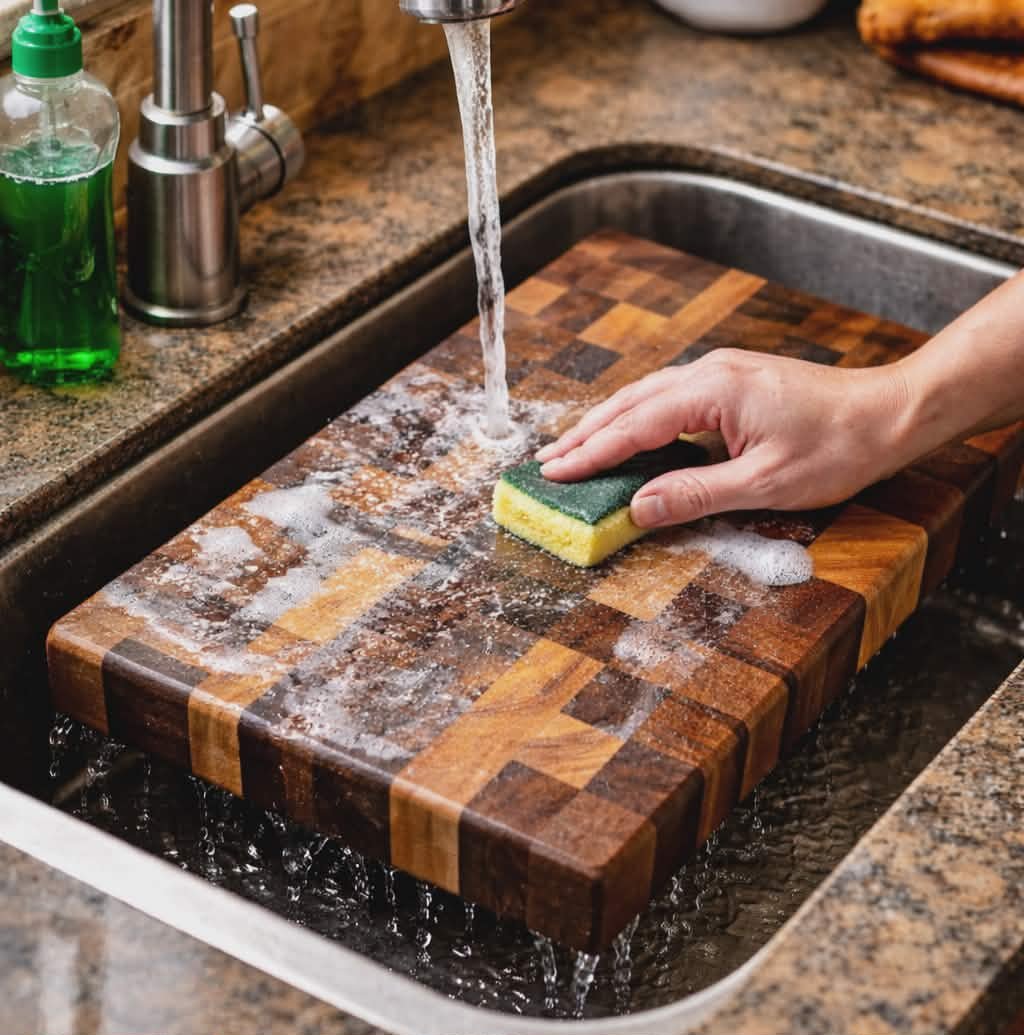
Wash with warm water and a small amount of dish soap using a sponge or soft brush.
Rinse thoroughly with clean water.
Dry immediately with a clean towel, paying special attention to the edges and end grain.
DO NOT submerge the board in water for extended periods as it can cause the wood to swell and crack.
How to Oil a Wooden Cutting Board
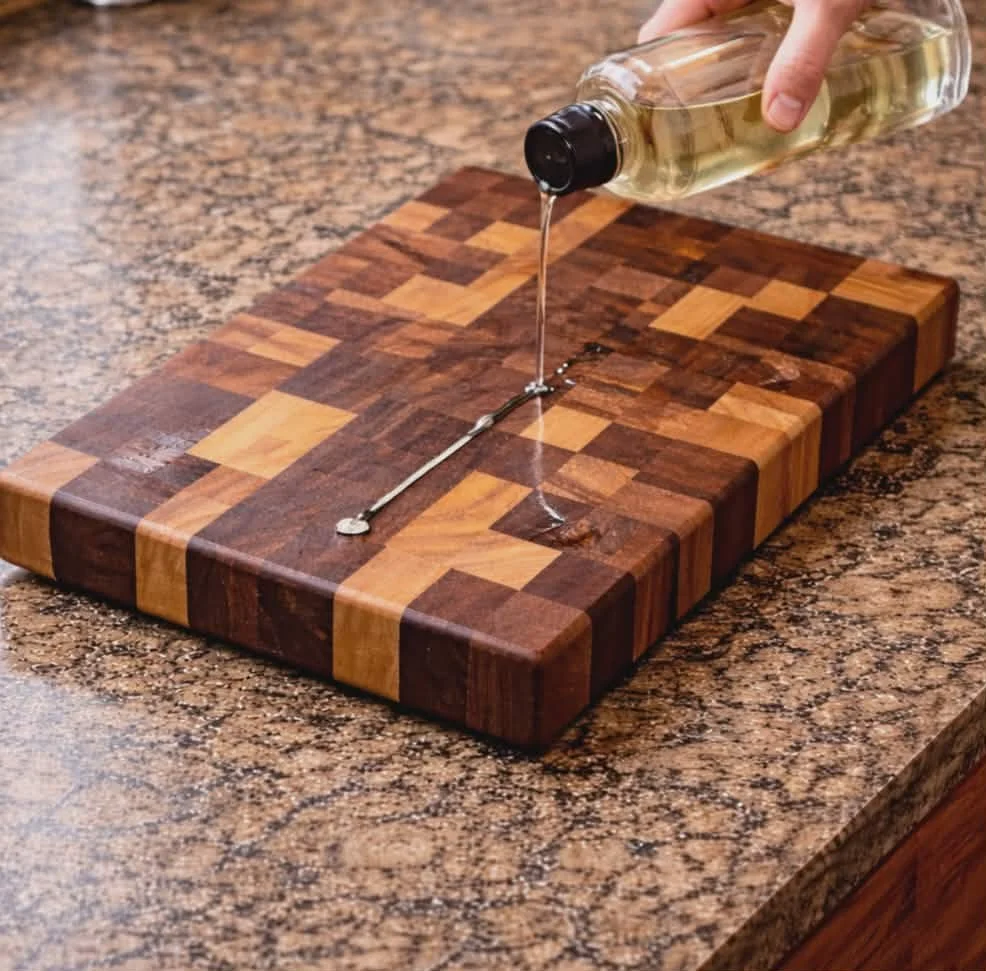
Apply a thin layer of food grade mineral oil to all surfaces of the board every couple of weeks (depending on use).
Use a clean cloth to apply oil, rubbing it into the grain
Let the oil sit for about 30 minutes before wiping off the excess with a clean dry cloth.
How to Apply Board Balm to a Cutting Board
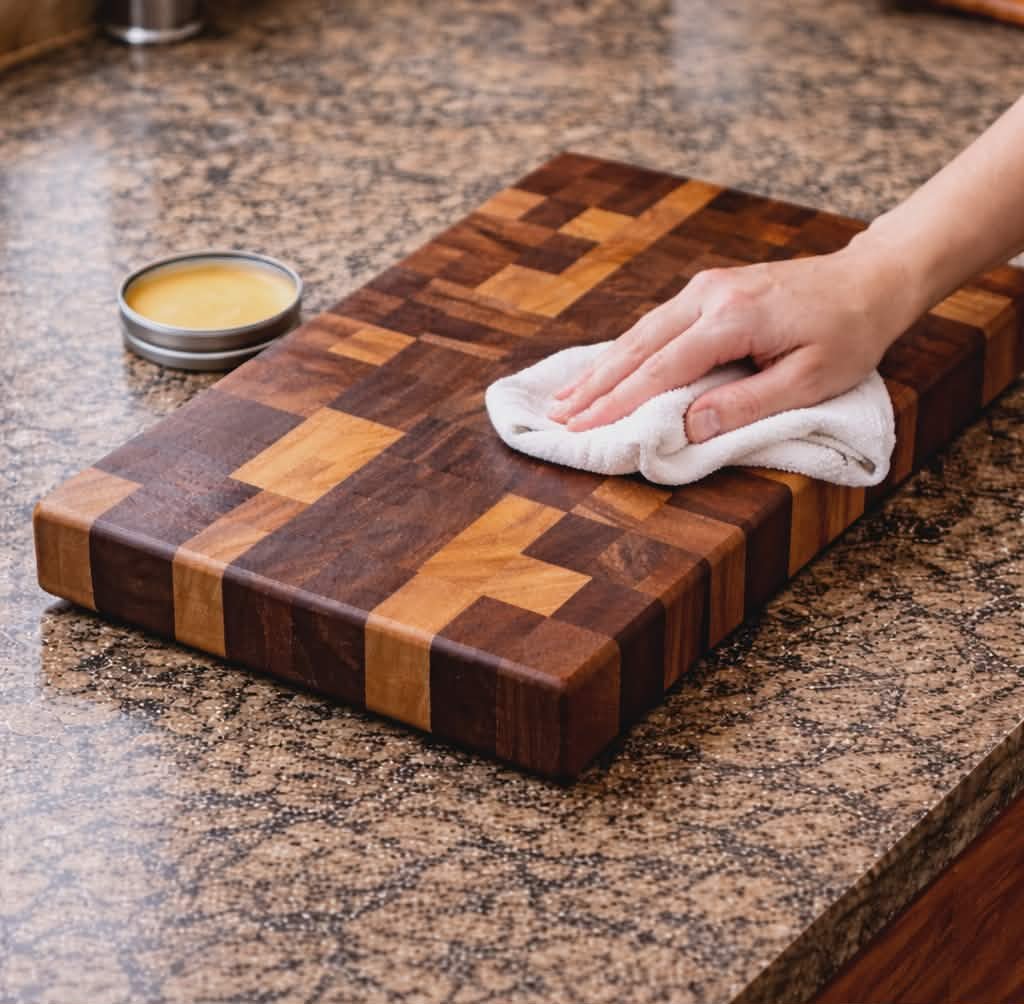
With a clean dry cloth, apply a generous amount of beeswax based protective coating to ALL SURFACES in a circular motion like waxing a car. Click the link to reorder 420WW Board Balm
Stand the board up on end out of the way over night.
The next day, with a dry clean cloth, polish off any excess to a shine.
How to Properly Store a Wooden Cutting Board
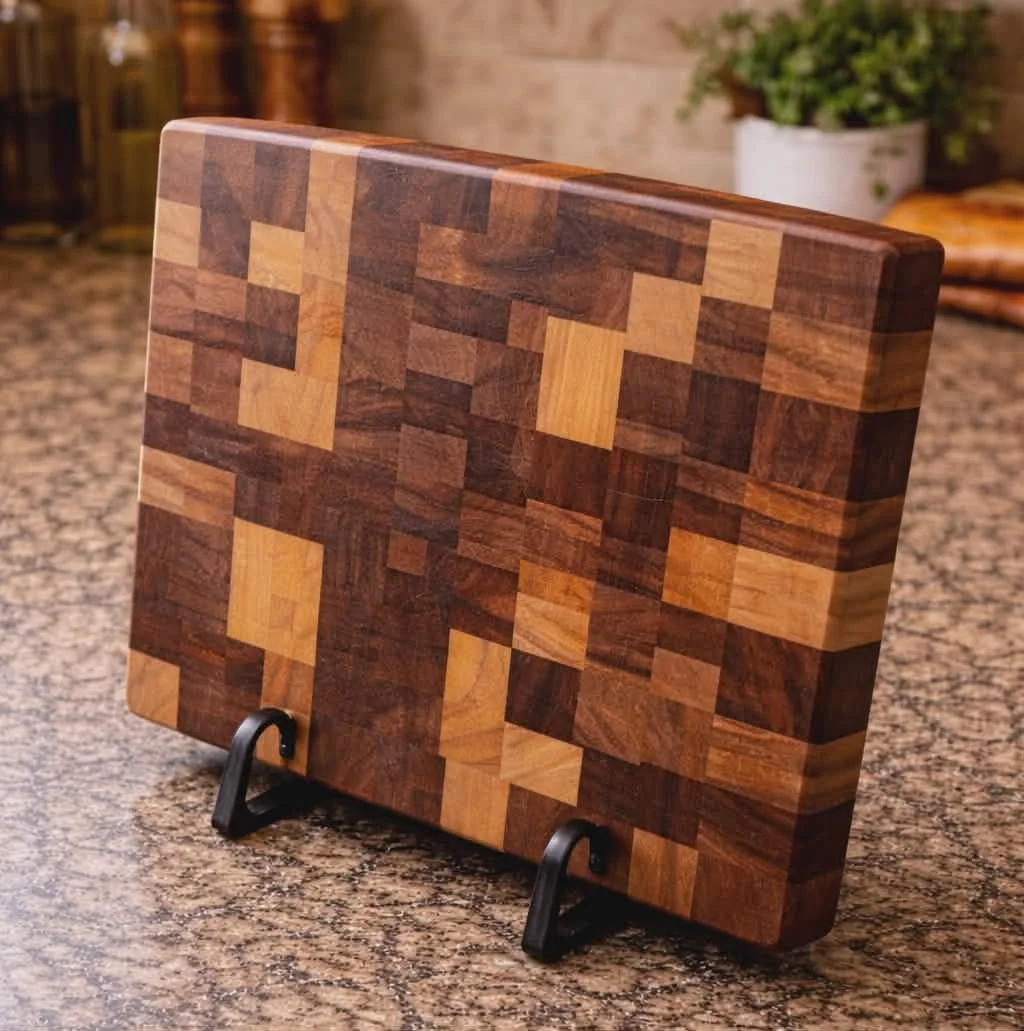
Always store your cutting board on its edges to allow proper air circulation and to prevent any warping. Check out our Cutting Board Stands
Keep your board in a dry, climate controlled area
Keep away from direct sunlight, heat and flames
What to Avoid with Wooden Cutting Boards
Soaking in water: DO NOT submerge the board in water as it can cause the wood to swell and crack.
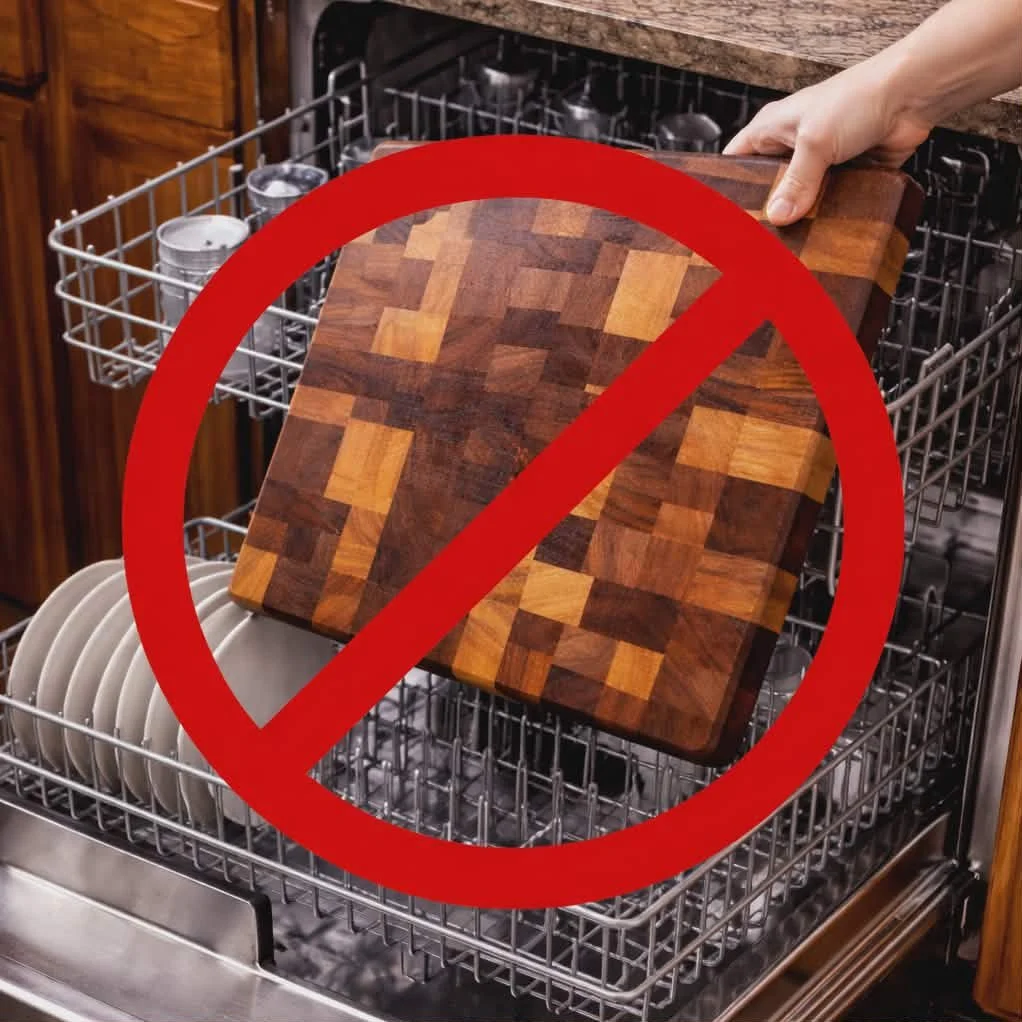
Dishwasher use: NEVER put your cutting board in the dishwasher.
Harsh chemicals: Avoid using bleach, abrasive cleaners, or other harsh chemicals on the board.
Serrated knives: Using serrated knives on an end grain board can damage the surface.
Hot utensils: Do not place hot pots or pans directly on the cutting board as it can burn and discolor the surface of the board.